/icon_text_light_svg.svg)

You can make a fighting game with Chatforce by describing it to its AI agents. Describe the roster, the move set, and how a hit and a block work first. Then add health bars, rounds, a stage, and whether the match is on one device or online. Choose 2D or 3D when you create the game, so decide that first. Online multiplayer works in both. The result is playable at a shareable URL, and friends play without an account. Street Fighter and Tekken are references for a one-on-one round with health bars. Use original characters, names, art, music, and story. The shorter page for this genre is the fighting game maker.
Fighting games made on Chatforce
These published games use original casts. They are not versions of Street Fighter, Tekken, or Mortal Kombat. If you want a starting point before you name a roster, use the game idea generator.
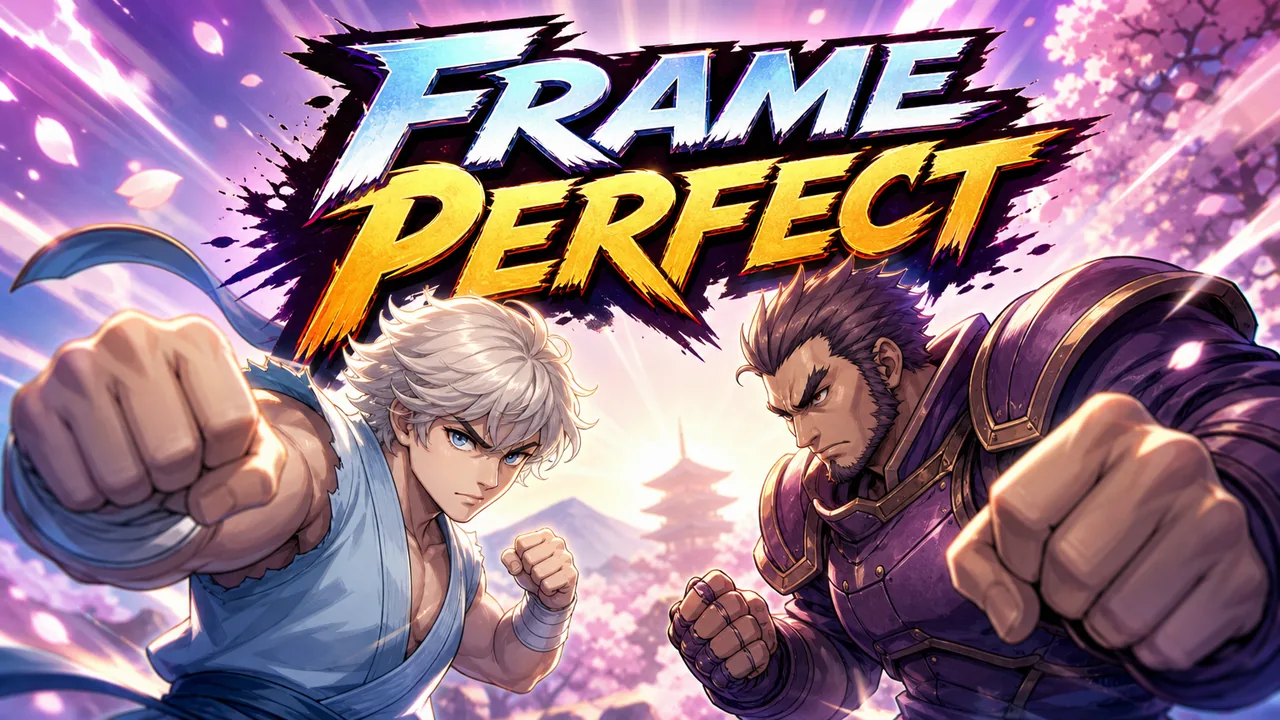 Frame PerfectMade with Chatforce
Two original fighters share one keyboard. The match shows health bars, a round timer, and a move list for each fighter.
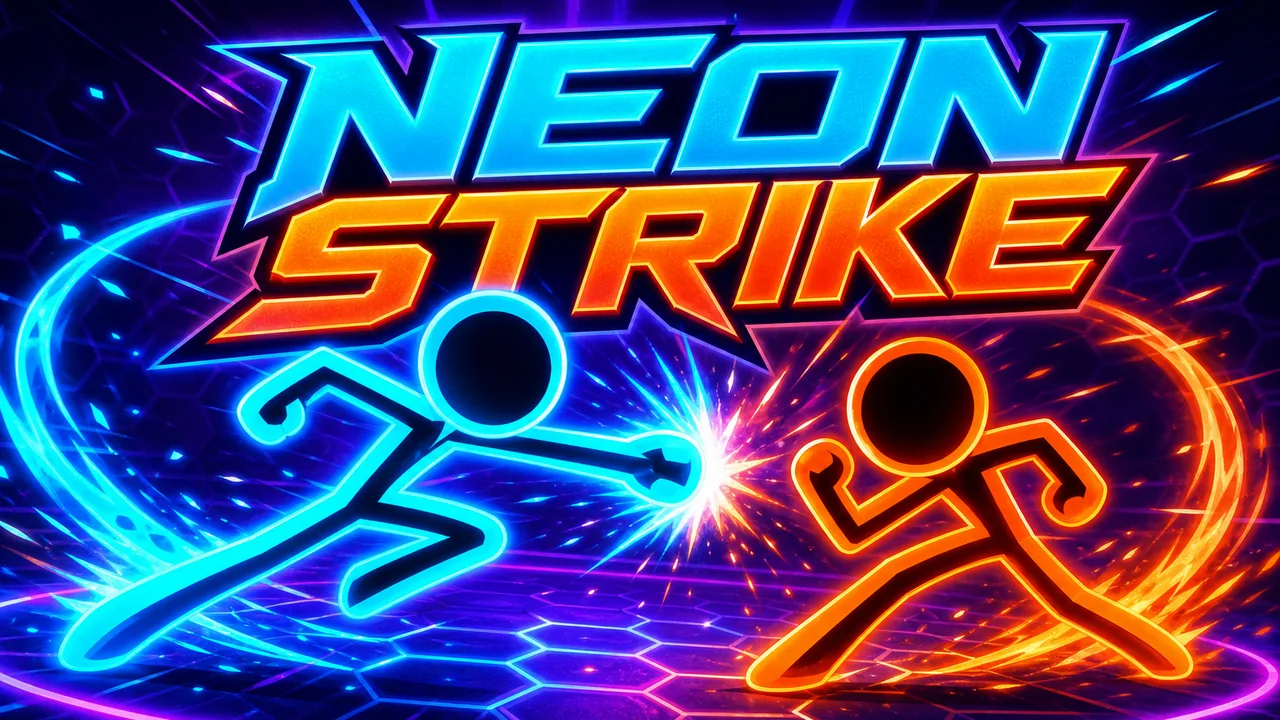 Neon StrikeMade with Chatforce
A glowing stick fighter chains punches and kicks against waves of opponents on a neon street.
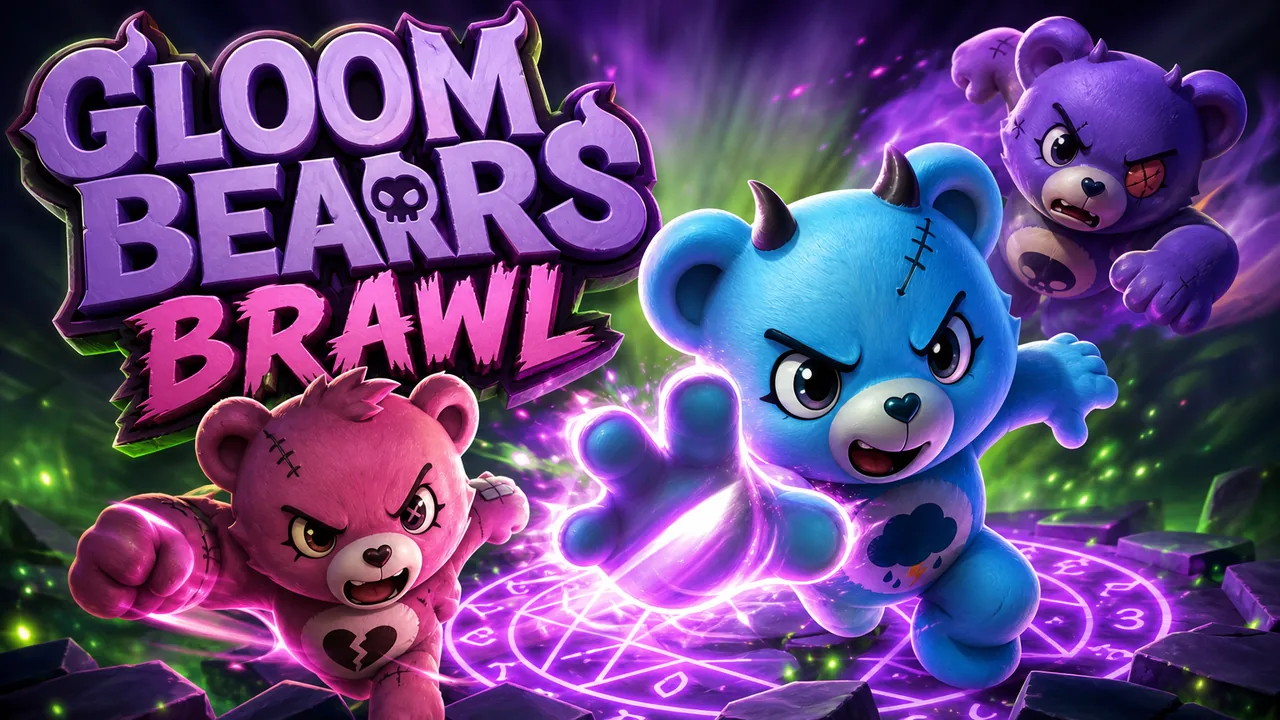 Gloom Bears BrawlMade with Chatforce
Original gloom bears fight in a haunted ring, solo, on one screen, or online with a friend.
What a first fighting game needs
Describe the rules you want, and the agents build them. A useful first version is two original fighters, a few attacks with different jobs, a block, health bars, and one stage. A combo is a short sequence that continues only if the first hit connected. If every move is fast, safe, and equally strong, neither player can form a plan.
| Piece | What to say in the prompt |
|---|---|
| Roster | Two original fighters, different in reach or speed |
| Moves | A light attack, a heavy attack, and one special |
| Hit and block | What a hit does, and what a block stops |
| Round | Health bars, a timer, and when the round ends |
| Stage | Side view or a camera that keeps both fighters in frame |
| Who plays | Same device, or an online room for two |
How to make a fighting game
Choose 2D or 3D and a small roster
Pick 2D or 3D when you create the game, so decide that first. A 2D side view makes spacing easy to read. A 3D game uses generated models, lighting, and a directable camera, so say how the camera follows the action. Start with two original fighters. Give one short reach and faster movement, and the other longer reach and slower movement. Add a third fighter only after the first matchup has a few real choices. Short rounds also fit an arcade game.
Describe moves, combos, hit, and block
Give each fighter a light attack, a heavy attack, and one special. Say how long each move takes to start, how far it reaches, and how long the fighter recovers. A combo is two or three hits that continue only if the first one connected. Say what the opponent can do if they block the first hit. A hit needs a visible reaction and a change on the health bar. A block should stop that damage and leave both fighters in a pose you can read. Sprite sheets with consistent frames make a 2D startup easier to see, and sound effects should differ for a hit, a block, and a whiff.
Add health bars, rounds, and one stage
Show two health bars and a round timer. A round ends when health reaches zero or the timer ends. A match can be one round or a best of three. Show who won, then offer a rematch. One stage is enough. In 2D, name the floor and the left and right walls. In 3D, ask for a camera that keeps both fighters in frame. Keep the background quieter than the fighters, and ask for art that separates them from the stage. Readable tells before an attack are the same idea as in a Cuphead-style boss and in games like Cuphead.
Pick local or online, then tune the numbers
Say whether both players share one keyboard, share one screen, or join an online room. Online multiplayer works in 2D and 3D, for up to 8 players in a room. A fighting game usually wants two. Describe how a round starts and how a rematch works. Friends open the URL with no account. The multiplayer guide and the 2 player browser games page cover sharing a link. Then put the numbers in the prompt: damage, startup, recovery, health, and the round timer. Change one number, replay the same exchange, and keep the change only if the choice is clearer.
Example prompt: Make an original 2D one-on-one fighting game. Two invented martial artists fight on a bright rooftop. Side view, walk left and right, a quick close strike, a slower long strike, a jump, and a block. Each attack has a visible windup and recovery. Show both health bars, a short round timer, and a best of three. Both players use one keyboard. Original names, art, music, and stage.
Example prompt: Make an original 3D fighting game. Two invented elemental fighters share one arena. The camera keeps both of them in frame. Each has a three-hit combo, a projectile, and a block. Health bars and a round timer sit at the top. Online versus for two players, with a rematch after the round. Original names, models, music, and stage.
Example prompt: Make an original 2D fighting game with three invented fighters and one dojo stage. Fighter A is fast with short reach. Fighter B is slow with long reach. Fighter C has a projectile. Give each a light attack, a heavy attack, and a block. Light attacks deal 8, heavy attacks deal 16, and a blocked hit deals 0. Best of three, health bars, and a round timer. Same-keyboard versus, and an online room for two. Original names, art, music, and story.
Play one exchange before you add fighters
A first playable usually takes about 10 to 15 minutes. Play both fighters. Check that a light attack and a heavy attack feel different, that a block stops damage, and that a whiff can be punished. If one move wins from too far away, say which move and ask for a shorter reach or a longer recovery. If a player is stuck in the corner with no response, ask for a way out you can see. Enemy tells in a Hollow Knight-style game work the same way: a warning, then a window to answer. A match with more than two fighters starts to overlap a battle royale, so keep the first build at two.
Chatforce publishes the game at a shareable URL. Players open it in a browser with no install and no account. You own the work, and the published game has no watermark. Paid plans start at $20/month, and chip packs start at $5. You can also join the Creator Program for free. The longer path from a sentence to a published game is in how to make a game with AI.
Frequently asked questions
How do I make a fighting game?
Choose 2D or 3D when you create the game. Describe two original fighters, a small move set, a block, health bars, a round, and one stage. Chatforce builds the game and publishes it at a shareable link. A first playable usually takes about 10 to 15 minutes, and you refine it by describing changes in chat.
What should I describe for a fighting game?
Describe the moves, characters, and arena you want, plus blocking, health, rounds, and the win condition. The agents build the game from your prompt.
Can two people play, on one device or online?
Yes. Say whether they share one keyboard, share one screen, or join an online room. Online multiplayer works in 2D and 3D, for up to 8 players in a room. Friends open the game link and do not need an account.
Can I use characters from Street Fighter or Tekken?
No. Use those games only as a reference for a one-on-one round, health bars, and a small move set. Make original names, characters, art, music, and stages.