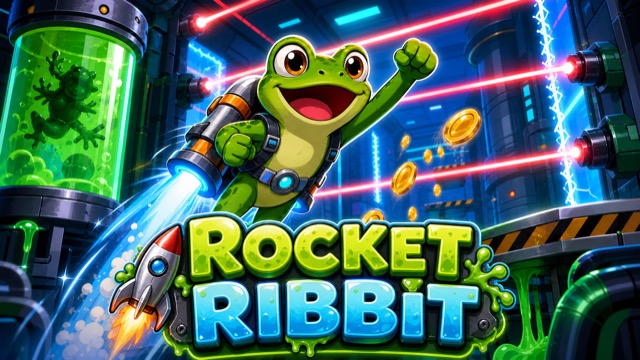
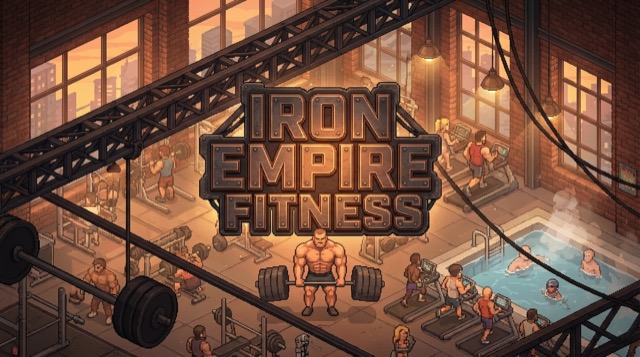
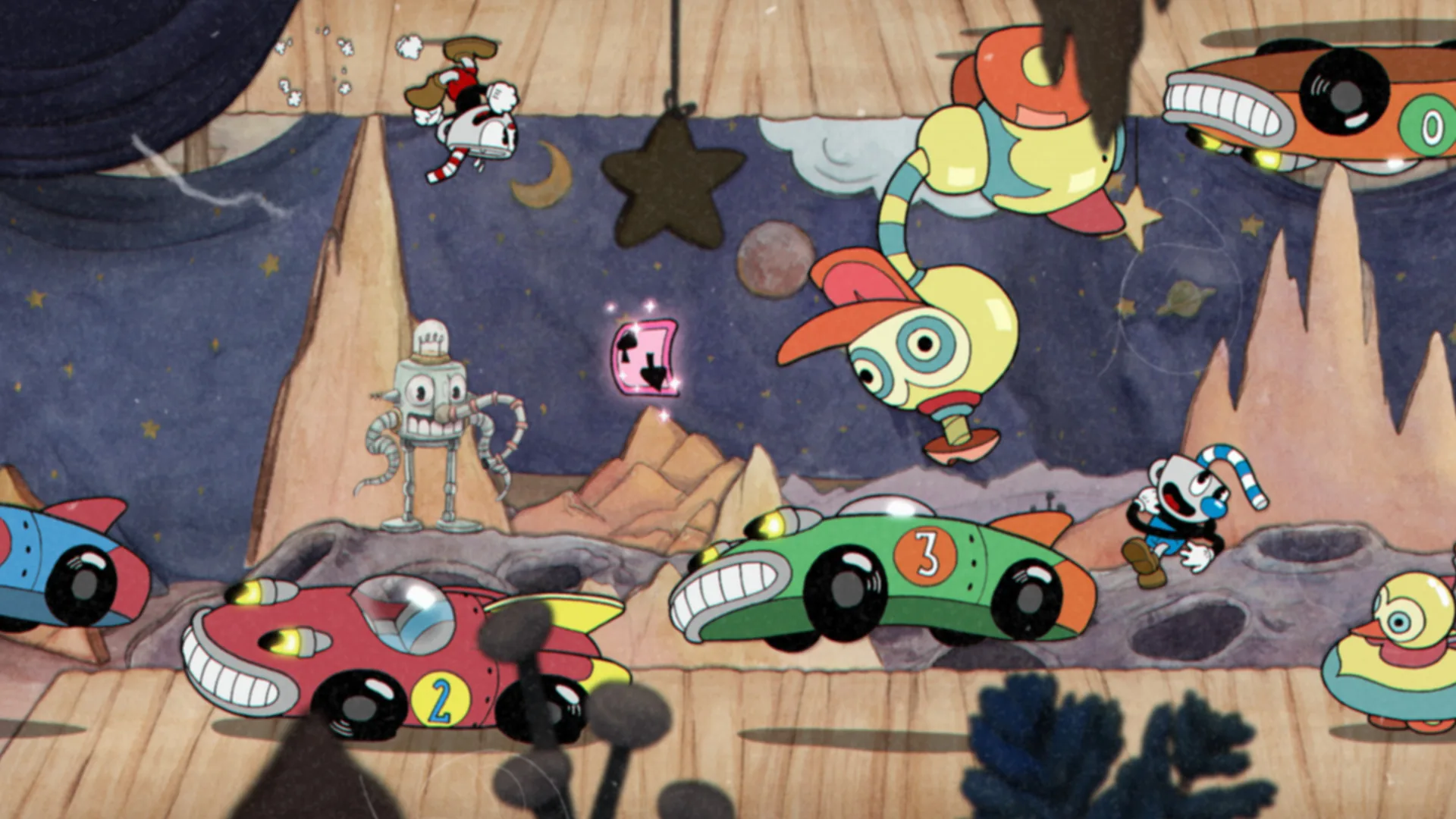
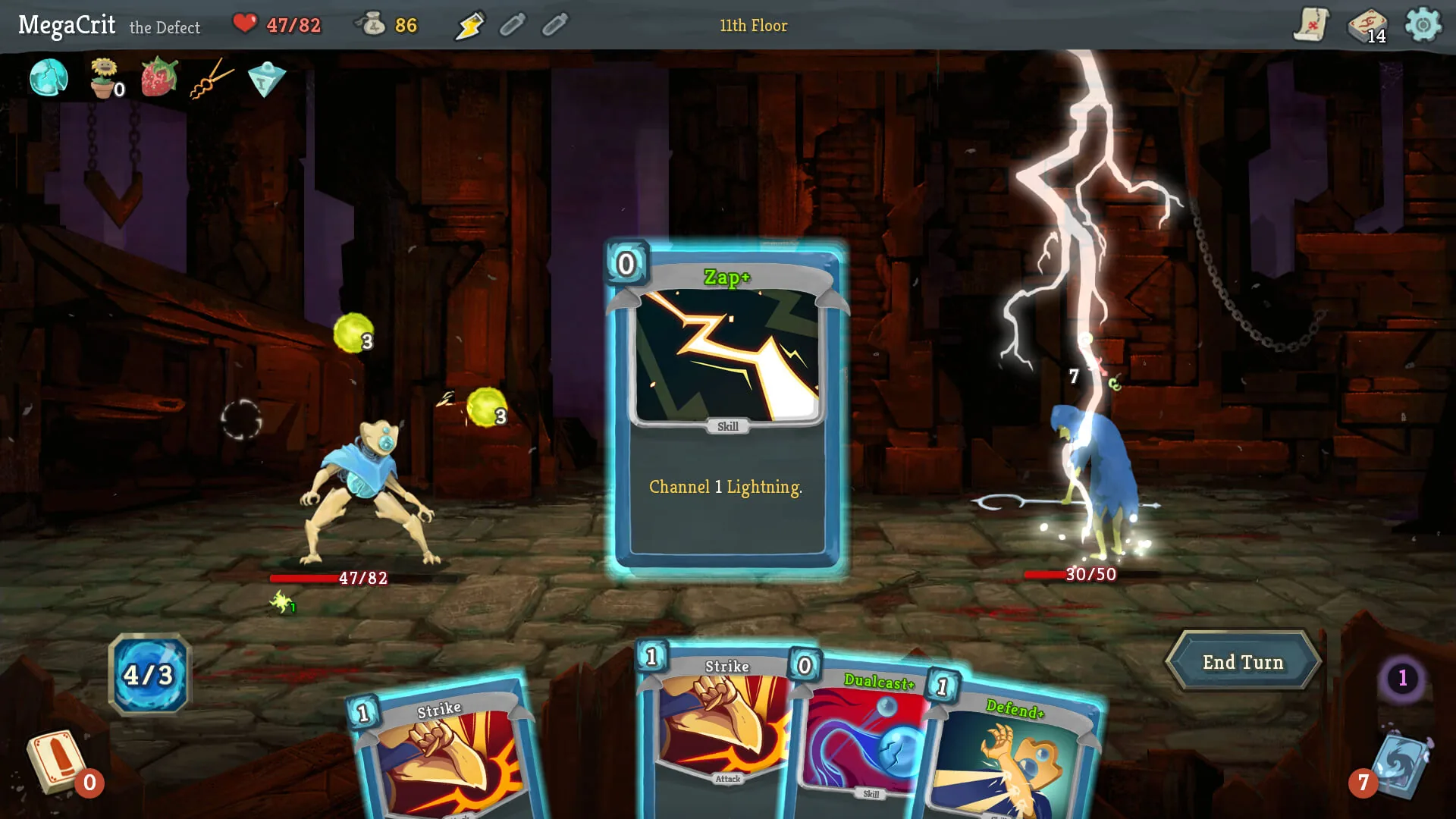
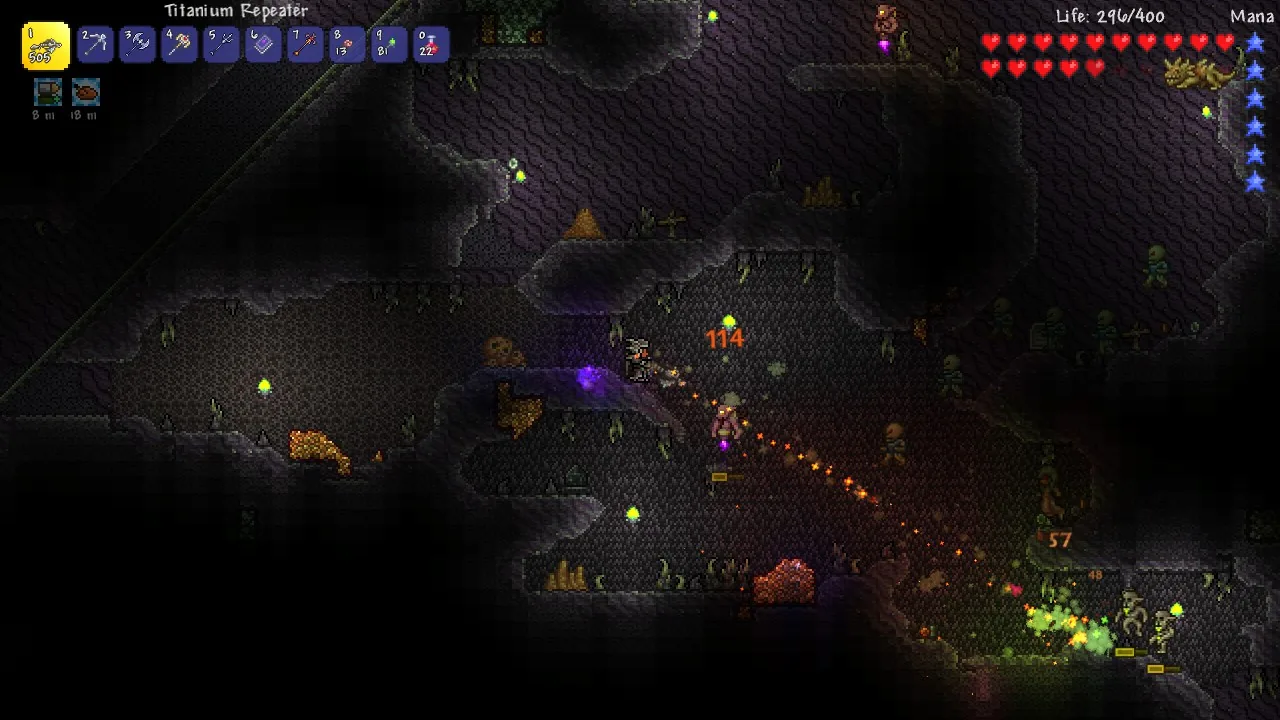
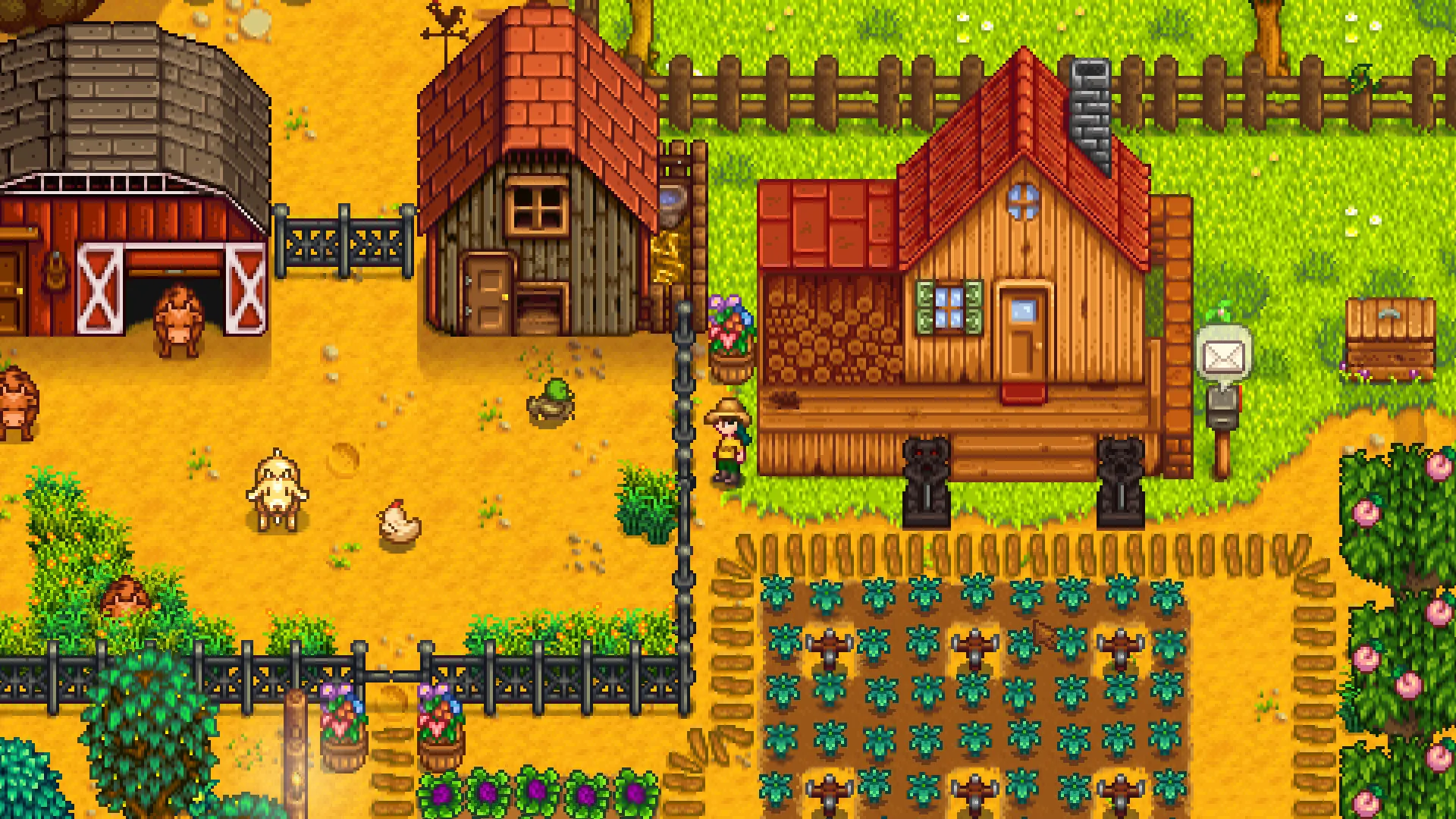
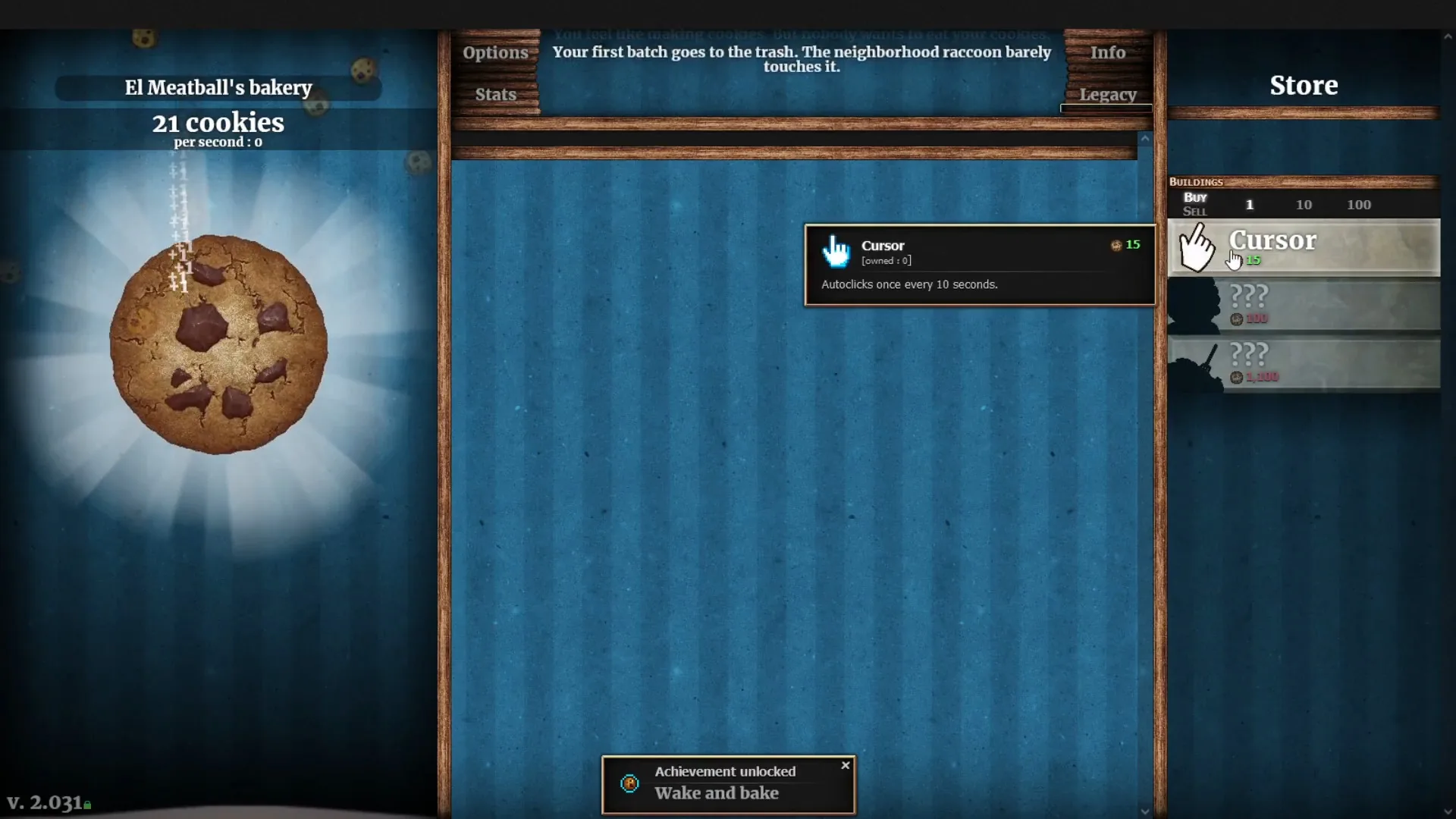
An AI platformer maker is a tool that turns a plain-language description into a browser-playable platformer. Describe one in a paragraph and Chatforce’s multi-agent studio (Studio Director, Coder, Artist, Sound Engineer) builds it together: run, jump, double-jump, dash, and wall-jump physics, moving platforms, hazards, checkpoints, and boss gates, plus sprites, music, and SFX, under one shared direction. Build it in 2D or 3D; you pick when you create the game. No engine install, no downloads. Hit play in the same tab.
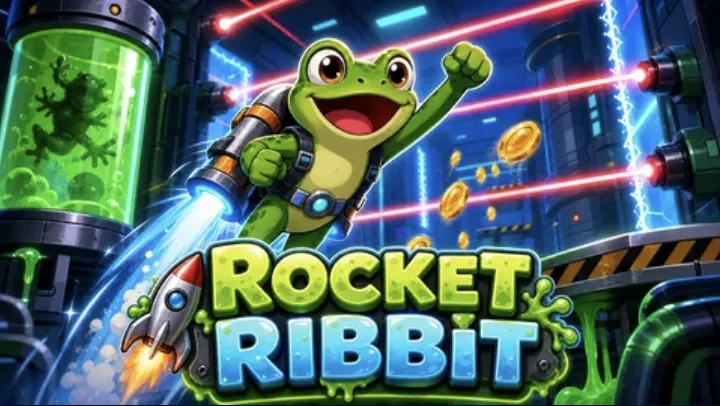
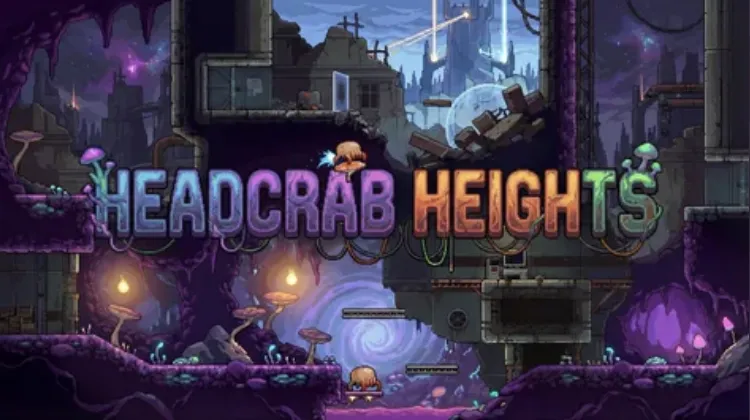
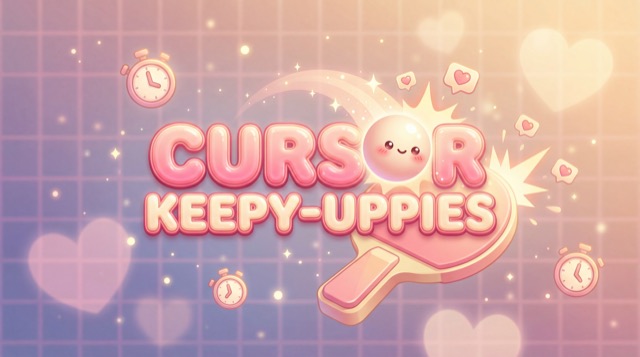
Real games built on Chatforce. Open one in a new tab and play.
Platformers you can build
Describe your own above, or start from one of these. The Coder reaches for the built Platformer engine and shapes it from there.
What the studio handles for you
Tight movement & game feel
Run, jump, double-jump, dash, and wall-jump tuned for game feel. Coyote-time and variable gravity make the jump arc forgiving where it should be and snappy where it counts.
Levels & platform logic
Tile-based levels with moving and crumbling platforms, hazards and spikes, checkpoints, collectibles, hidden rooms, and boss gates. The Coder reaches for the built Platformer engine first.
Character sprites & tiles
Character sprite sheets, tile sets, parallax backgrounds, and UI icons. Transparent-background art on a locked palette, with automatic background removal so every asset drops cleanly into scene.
Run, jump & land animation
Character motion extracted to sprite sheets. Idle, run, jump, double-jump, dash, hurt. Animations stay on-model and read smoothly in motion.
Music & SFX
Level loops, boss themes, and menu beds, plus jump, land, dash, and death SFX. The Sound Engineer scores against the same brief as the art.
Browser-playable build
Your platformer runs in any modern browser, on a shareable URL, the moment it builds. No download, no install, no platform store.
How it works
Describe the platformer
One paragraph. “A precision platformer where every wall-jump leaves a fading echo. Floaty dash. Boss at the summit.” The Studio Director writes the brief.
The studio builds in parallel
Nadia drafts the concept screenshot. Bass scores the level. Glitch scaffolds the Platformer engine: run and jump physics, moving platforms, checkpoints. All three work from the same brief.
Play in the same tab
The build hot-reloads. Hit play, run a few rooms, reach the boss gate, and tell the studio what the jump arc and spike placement feel like.
Iterate in chat
“Make the dash longer.” “Add coyote-time.” “Boss spawns after the second checkpoint.” Everyone responds; the build updates.
Chatforce vs other platformer makers
For people who want to ship a browser platformer, not tinker with editors.
GameMaker exports natively to Steam and consoles, so reach for it if you need a packaged desktop release.
Don’t Take Our Word for It: Play What Chatforce Built
Every claim on this page is checkable. These are real games made on Chatforce by real creators, hosted at public links. Tap one and you’re playing in seconds, in your browser, which is the whole point.
Summit ScrambleTower Climb · 91 plays · built with Chatforce, playable right hereOpen full screen ↗
Platform data, July 2026. Browse every published game at chatforce.com/play.
Frequently asked questions
What platformer mechanics does Chatforce support?
The built Platformer engine supports run and jump physics, double-jump, dash, wall-jump, coyote-time, and variable gravity. On the level side it handles moving and crumbling platforms, hazards and spikes, checkpoints, collectibles, hidden rooms, and boss gates. All of these are available from your first build.
Do I need to write code to make a platformer?
No. The supported workflow is chat-driven. You describe the platformer, ask for changes, and the Coder agent edits the engine scripts. Engineers can read every file in the studio Code tab; changes go through chat.
Can I tune the jump feel?
Yes, and you should. In a platformer the jump arc is the game. Tell the studio “floatier,” “snappier,” “heavier,” or “more coyote-time forgiving,” and the Coder tunes the variable gravity, dash distance, and double-jump timing to match.
What kind of platformer could I build?
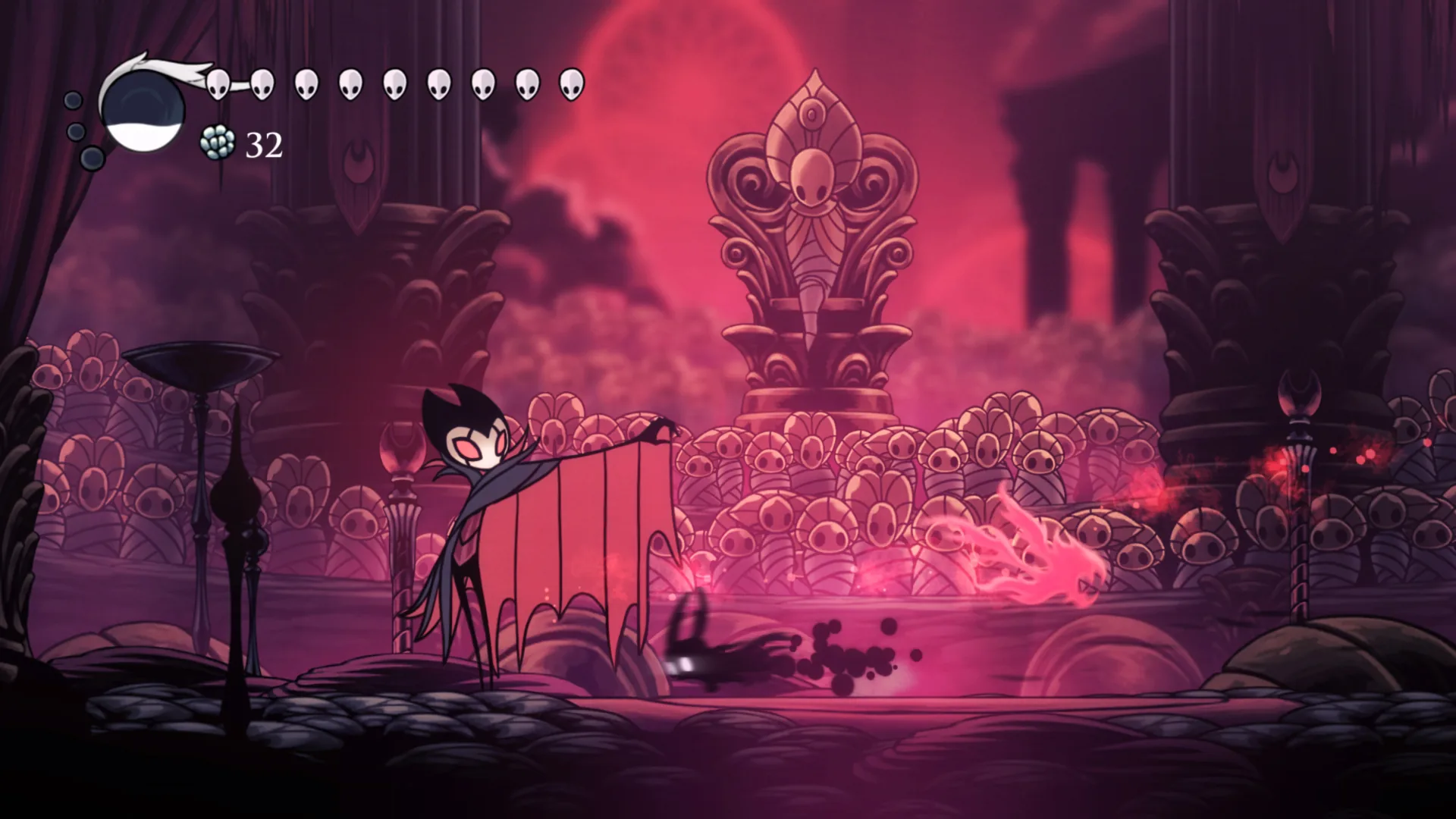
The mechanics cover a wide range: a precision platformer in the spirit of Celeste, a metroidvania feel like Hollow Knight, a classic run-and-jump like Super Mario Bros, or an Ori-style traversal game. You describe the hook; the Coder reaches for the right scaffold.
Are art and audio included, or do I bring my own?
Included. The Artist generates the character sprite sheet, tile sets, parallax backgrounds, and icons with automatic background removal; the Sound Engineer composes level music and SFX. Everything is generated against the same brief and wires into the level automatically.
How is Chatforce different from GDevelop, Construct 3, or GameMaker?
GDevelop, Construct 3, and GameMaker are editors. You place objects, write event sheets or scripts, and design the platformer yourself. Chatforce is prompt-driven: you describe the game, and a multi-agent team builds it. The art and audio are generated by the same studio that writes the code. If you love placing objects in an editor, the visual tools are great. If you want to describe and ship, Chatforce is faster.
Is the Chatforce platformer maker free?
Not by default. Paid plans start at $20/month, with chip packs from $5. Creators can also apply to the Creator Program: the founders review each application, and accepted creators receive Creator Program credits.
Can I publish my platformer?
Yes. Every game gets a shareable URL the moment it builds, and it runs in any browser. Drop the link in Discord, embed it in a tweet, post it to itch.io. No store listing required.
Ship your first platformer
Describe it. Watch the studio wire up the jump physics and build it. Hit play in the same tab. Send the URL to a friend.
/icon_text_light_svg.svg)