/icon_text_light_svg.svg)

Best-in-class per discipline
No single model is best at code, art, and music. Routing by discipline lets you use Claude Opus for code, Gemini for art, and Suno for music — each at peak quality.
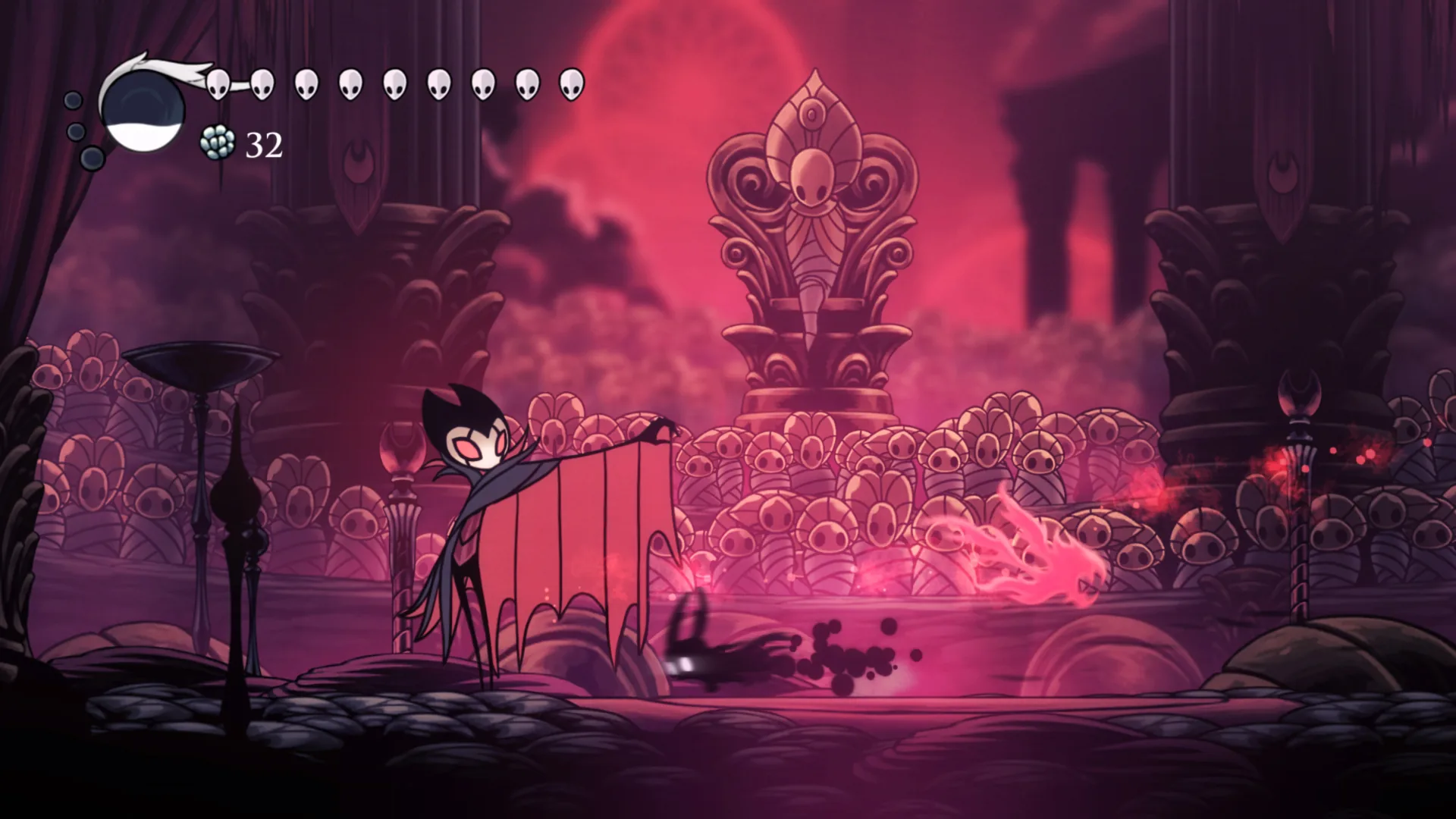
Multi-agent game development is an approach where several specialized AI agents build a game together from one brief. Chatforce uses multi-agent game development: a Studio Director, Coder, Artist, and Sound Engineer work in parallel from your description to ship a browser-playable game with code, art, music, and SFX.
Multi-agent game development is the practice of building games with a coordinated set of specialized AI agents — typically a director, a programmer, an artist, and a sound designer — that share context and collaborate to produce a single coherent game from a natural-language brief. It is distinct from single-model game generation, where one model attempts code, art, and audio without role specialization or shared state.
Each agent owns a single discipline: direction, code, art, or sound. The agent uses the best-in-class model and tool stack for that discipline.
The brief, the concept screenshot, the current game state, and the asset library are observable to every agent. Outputs reference each other, not the void.
One agent — the director — reads the user’s brief, decomposes it into tasks, arbitrates conflicts, and approves the final ship.
Code, image, audio, and animation use different foundation models. The orchestrator routes each task to the right one.
The user revises the game by talking to the team. The director routes the request. Affected agents re-run. The system re-ships.
Output is one game, not a folder of unrelated AI generations. The art fits the code fits the music fits the brief.
The user describes the game in natural language. The director agent parses intent, asks clarifying questions, and produces a structured brief: genre, mechanics, tone, art direction, audio direction.
Tasks are assigned to specialist agents. Code tasks go to the programmer; art tasks go to the artist; audio tasks go to the sound designer. Each agent receives the same brief and can observe each other’s outputs.
The artist’s concept screenshot becomes the visual anchor for all subsequent assets. The brief becomes the tonal anchor for music. The game state becomes the integration anchor for code.
The director reviews integration, resolves cross-agent conflicts (“the music doesn’t fit the level palette”), and approves a build. The user plays. The next prompt restarts the loop.
No single model is best at code, art, and music. Routing by discipline lets you use Claude Opus for code, Gemini for art, and Suno for music — each at peak quality.
A director agent maintains the shared brief and arbitrates between specialists. Without coordination, art and music end up unrelated. With it, they reinforce each other.
If one agent produces a bad asset, the director can re-run just that agent. Single-model systems must regenerate the whole game.
Routing intent to the right specialist is the director’s job. The user just says what they want. They don’t pick which model to invoke.
The sound designer can see the level the coder built. The artist can see the prior concept screenshot. Single-model systems can’t inspect their own outputs after the fact.
Specialized agents let teams ship browser games today — 2D or 3D, single-player or online multiplayer — while fully autonomous voice acting and native console pipelines remain research problems. Specialization is how multi-agent systems actually finish games.
| Property | Multi-agent (Chatforce) | Single-model generator | Hand-coded + ChatGPT | Editor + AI plugin |
|---|---|---|---|---|
| Role specialization | Yes — 4 specialists | No — one model | One coding model | One AI assistant |
| Heterogeneous model stack | Yes | No | One model | Usually one |
| Director / coordinator | Yes — SJ agent | None | User is director | User is director |
| Shared context across roles | Yes | N/A | Manual | Manual |
| Per-character visual consistency | Yes — persistent groups | Fragile | Manual | Per-plugin |
| Modular re-run on failure | Yes | Full regenerate | Manual | Manual |
| Output is a playable game | Yes — browser URL | Often code or assets only | Yes, but user-built | Yes, after user effort |
| Best for | End-to-end ship in 2D or 3D | Demos & ideation | Coders who want full control | Designers in a traditional engine |
Every claim on this page is checkable. These are real games made on Chatforce by real creators, hosted at public links. Tap one and you’re playing in seconds, in your browser, which is the whole point.
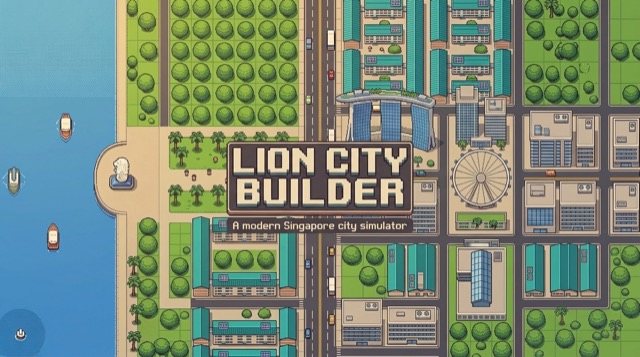 Lion City BuilderPlay in browser →
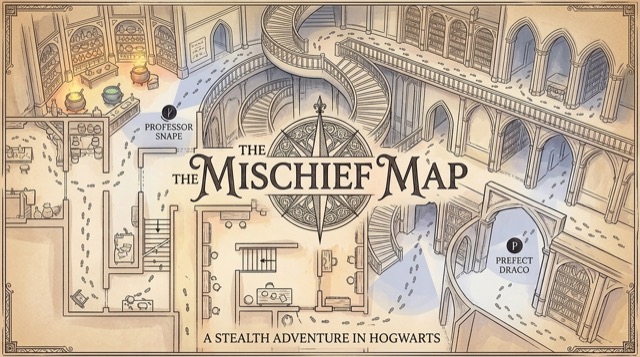 The Mischief MapPlay in browser →
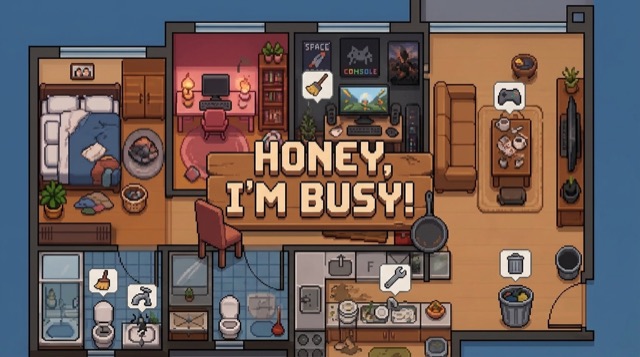 Honey, I'm Busy!Play in browser →
Platform data, July 2026. Browse every published game at chatforce.com/play.
Multi-agent game development is the practice of building games with multiple specialized AI agents — typically a director, a programmer, an artist, and a sound designer — that share context and collaborate to produce a single coherent game from a natural-language brief. It is distinct from single-model game generation, where one model attempts every task without specialization.
Game development is a multi-discipline task: code, visual art, music, sound design, and direction. Each discipline has a best-in-class model. Multi-agent systems route each task to the right specialist (e.g., Claude Opus for code, Gemini for art, Suno for music) and use a coordinating director agent to keep them aligned. The result is higher quality per discipline plus a unified output.
Four roles are common: a Director that interprets the brief and coordinates, a Coder that writes game logic, an Artist that generates visual assets with consistency constraints, and a Sound Engineer that produces music and SFX. Each agent has its own model, its own tools, and shared context about the brief and current game state.
A shared brief — written by the Director — anchors the work. A shared concept screenshot anchors the art direction. Per-character consistency groups anchor character visuals. The current game state (scene, sprites, code) is observable to every agent so that, for example, the Sound Engineer scores music that fits the level the Coder built.
Chatforce ships four agents: Studio Director (SJ), Coder (Glitch), Artist (Nadia), and Sound Engineer (Bass). Code uses Claude Opus; art uses Gemini with automatic background removal; animations use Veo; music uses Suno; SFX use ElevenLabs. The Director writes the brief and arbitrates conflicts. Output is a browser-playable 2D or 3D game, single-player or multiplayer.
No. Agentic coding is a single coding agent operating autonomously on a codebase. Multi-agent game development includes a coder but also includes art, music, and direction agents. The coding agent is one role on a team.
Practical systems like Chatforce are scoped: browser-playable games in 2D or 3D, single-player or online multiplayer, with the netcode transport and rooms provided by the platform rather than invented per game. Full voice acting and native console builds are not yet stable for fully autonomous multi-agent production. The trade-off — specialization for scope — is why scoped systems ship finished games while general-purpose attempts often stall.
The pattern emerged in 2024–2025 as foundation models matured and orchestration frameworks (LangGraph, AutoGen, Claude Agent SDK) made cross-agent context sharing practical. Chatforce is one of the first systems to ship a production multi-agent game studio targeting end-users, not researchers.
Chatforce is a production reference implementation. Brief the team in one sentence and watch the four agents ship a playable game.
Start building