/icon_text_light_svg.svg)

Prompt the whole game, not one asset
Other tools take a prompt and give you a sprite, a track, or a code snippet. Chatforce takes a prompt and gives you a playable game.
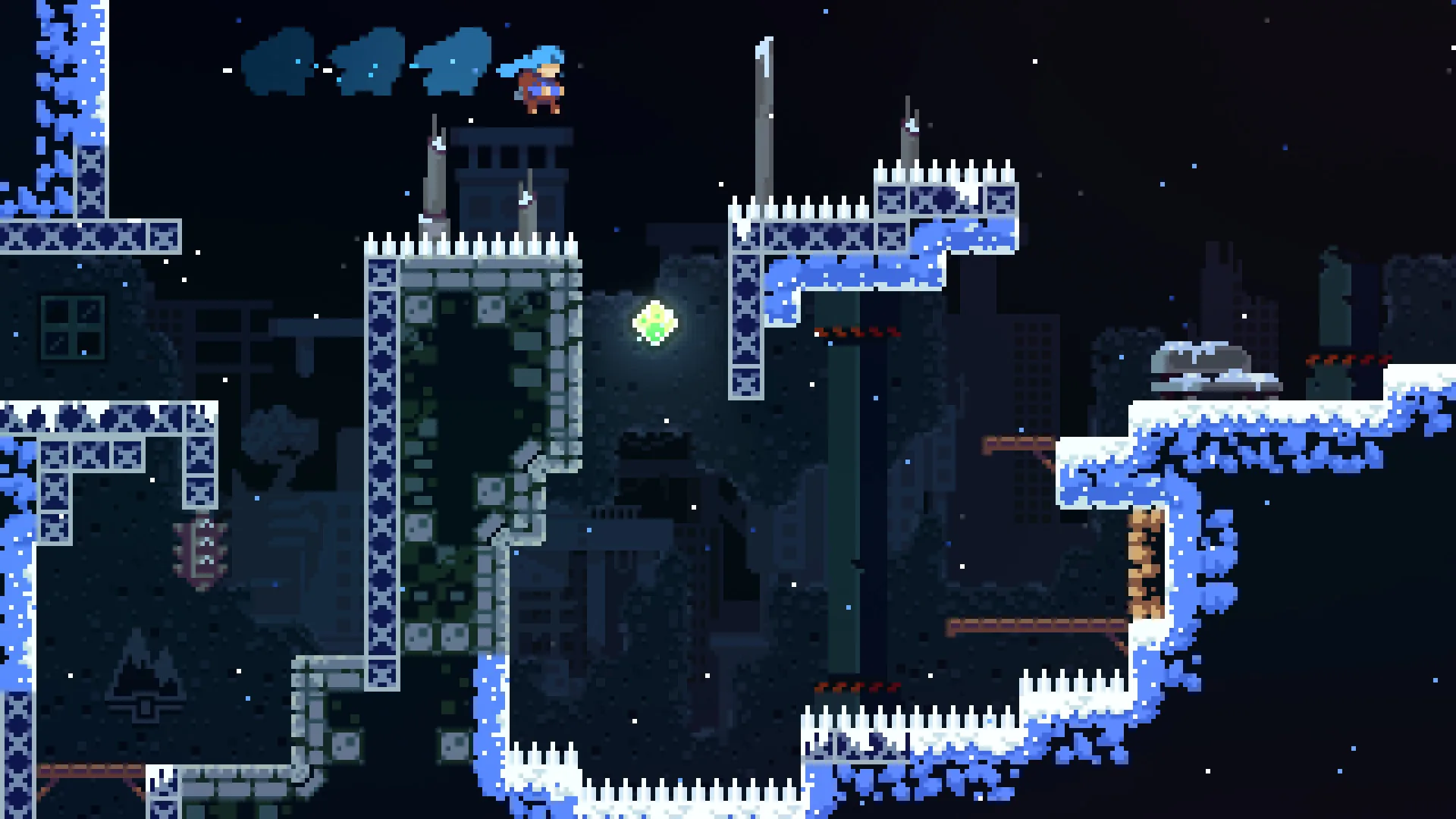
Text to game is the process of turning a written description into a playable game. Chatforce is a text-to-game tool: you type what you want, and a multi-agent studio builds the code, sprites, music, and SFX together, then runs the game in your browser. No engine install, no downloads.
Describe your game in plain language. Chatforce turns the sentence into a browser-playable 2D or 3D game. The Studio Director reads the prompt, the Coder scaffolds the loop, the Artist paints the scene, the Sound Engineer scores it. You get a URL. No engine, no scripting, no sprite imports — just text in, playable game out.
“A platformer where the floor is lava on every third beat.” The Coder turns it into a real game loop.
“The hero is a frog wizard in a swamp full of haunted mushrooms.” The Artist locks the look in a concept screenshot.
“Cozy, daytime, lofi soundtrack.” The Sound Engineer scores a track that fits the brief.
“Double jump that resets on wall touch.” “Tower attack that pierces.” Specific is welcome.
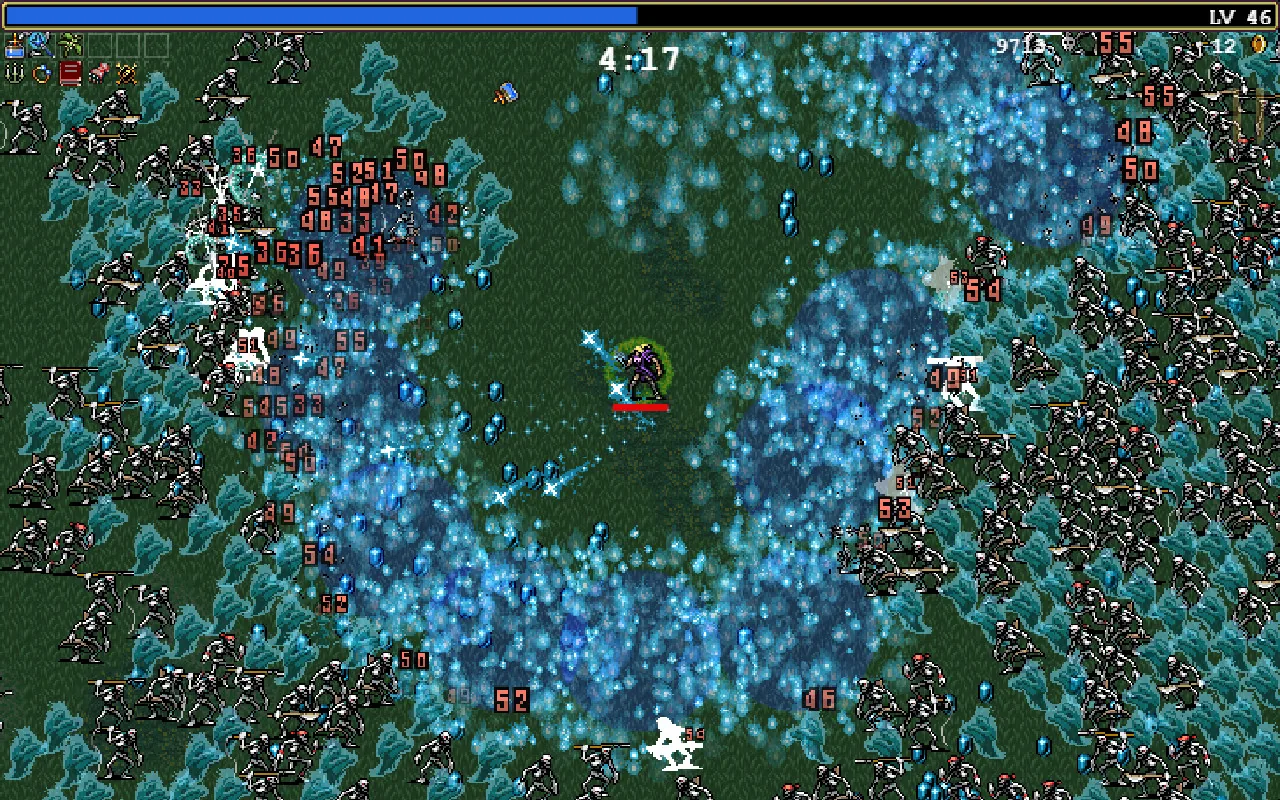
“Vampire Survivors but in a hospital.” The team translates the reference into original art and code.
After the first build: “Make the boss slower.” “New music.” “Different ending.” The agents revise and re-ship.
One sentence in the chat box. The Studio Director reads it, asks a couple of follow-ups if needed, and writes a brief.
Coder picks the engine template. Artist drafts a concept screenshot. Sound Engineer queues a music brief. All three run in parallel.
In minutes, you have a URL with a real game loop: menus, mechanics, art, sound. Not a tech demo — a game.
Every revision is another prompt. The team applies it and re-ships to the same URL. You never open a file.
Other tools take a prompt and give you a sprite, a track, or a code snippet. Chatforce takes a prompt and gives you a playable game.
If your prompt is ambiguous, SJ asks. You don’t end up with a game that misread your idea because the model defaulted to its training average.
The art, code, and music are all generated against the same brief and the same concept screenshot. They fit together.
You don’t open the project to tune a value. You type the change. The team applies it. Build time matches type-speed.
“Double jump.” “Boss with three phases.” “Endless mode.” The Coder writes real game logic, not a vague approximation.
Nothing to export. Nothing to package. The link is the game.
| Feature | Chatforce | Rosebud AI | Ludo.ai | ChatGPT + Phaser |
|---|---|---|---|---|
| Prompt → playable game | Yes — one URL | Yes | Ideation only | Manual code copy/paste |
| Includes original art | Yes — consistency-locked | Yes | No | No |
| Includes original music | Yes — Suno | Limited | No | No |
| Includes SFX | Yes — ElevenLabs | Limited | No | No |
| Director clarifies prompt | Yes — SJ agent | Single-pass | N/A | Manual back-and-forth |
| Iteration via prompts | Yes — live | Yes | No | Manual |
| 3D support | Yes — real-time 3D | Yes | N/A | Possible |
| Install required | No | No | No | Yes — local toolchain |
| Starting price | From $20/mo, or Creator Program | Free + paid | Free trial, from $15/mo | From $20/mo (ChatGPT) |
| Best for | Shipping a 2D or 3D game from one sentence | Casual creators across genres | Pitch decks & ideation | Coders who want full control |
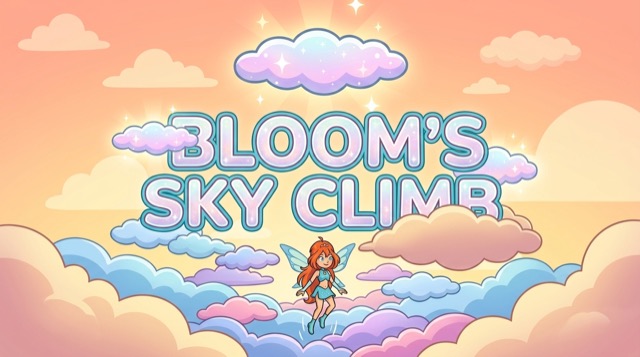
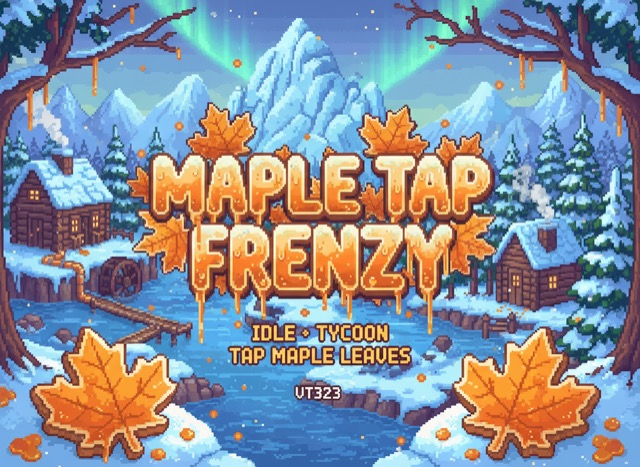
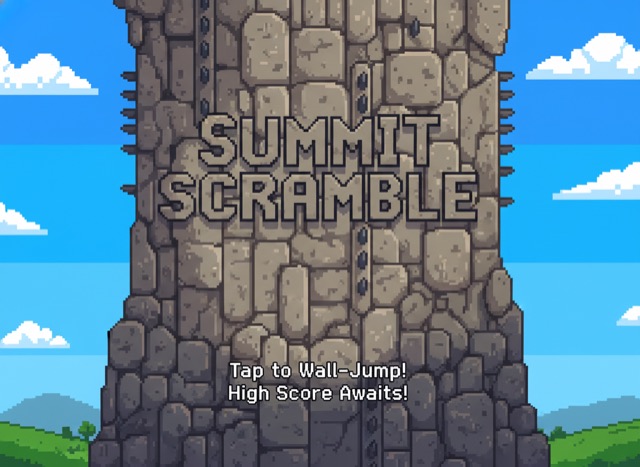
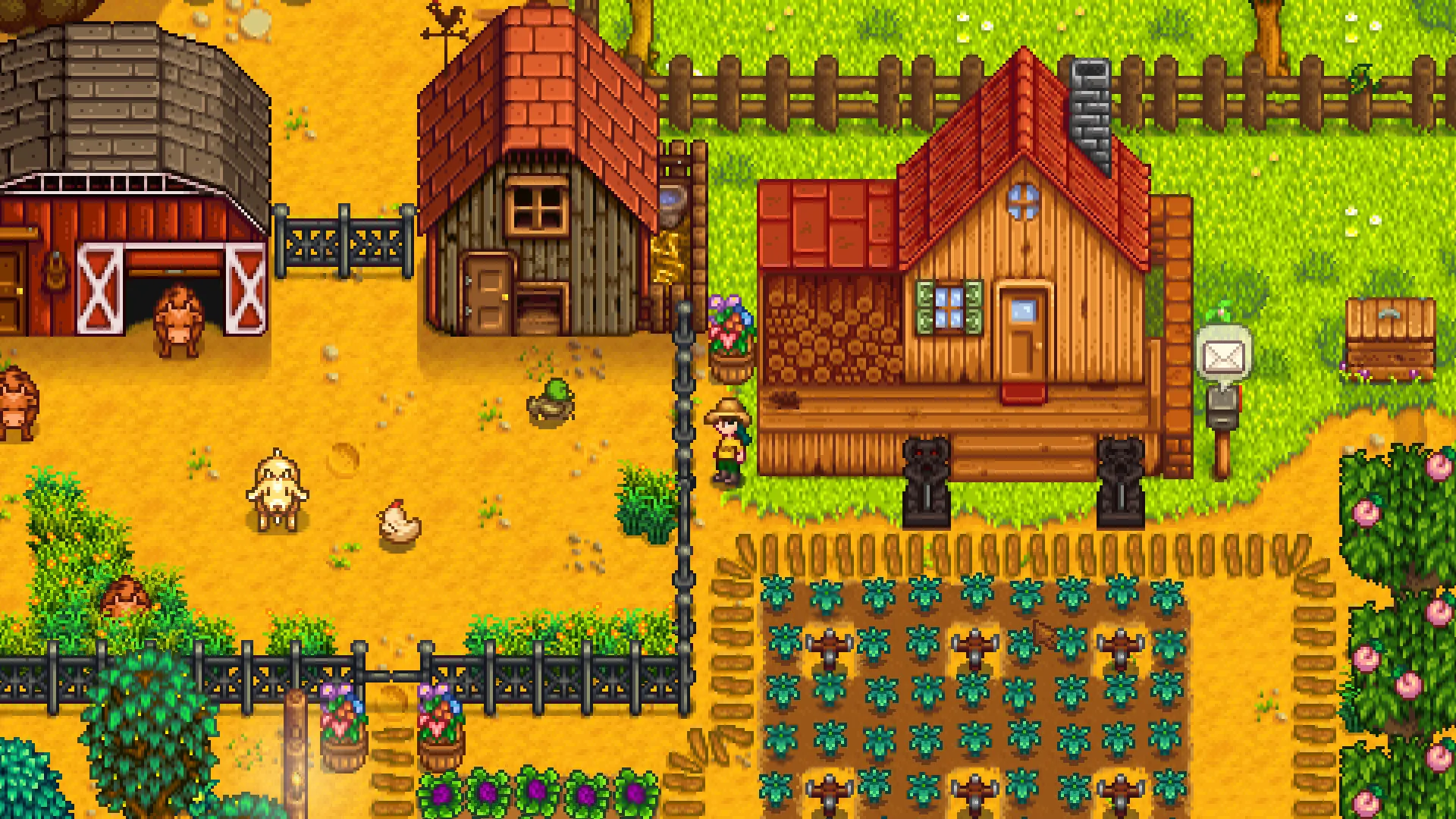
Every claim on this page is checkable. These are real games made on Chatforce by real creators, hosted at public links. Tap one and you’re playing in seconds, in your browser, which is the whole point.
Platform data, July 2026. Browse every published game at chatforce.com/play.
Text to game is a workflow where a user describes a game in plain language and an AI system produces a playable build. With Chatforce, the prompt is interpreted by the Studio Director, who hands work to specialized agents for code, art, music, and sound. The output is a browser-playable 2D or 3D game.
Not very. “A top-down farming game where crops fight back” is enough. The Studio Director will ask clarifying questions if the brief is ambiguous — what art style, what platform, what difficulty curve. You don’t need to describe the engine or the code.
Yes. “Double jump that resets on wall touch.” “Crops that explode on death.” “Tower defense with rotating turrets.” If the mechanic fits a browser game, the Coder agent can build it.
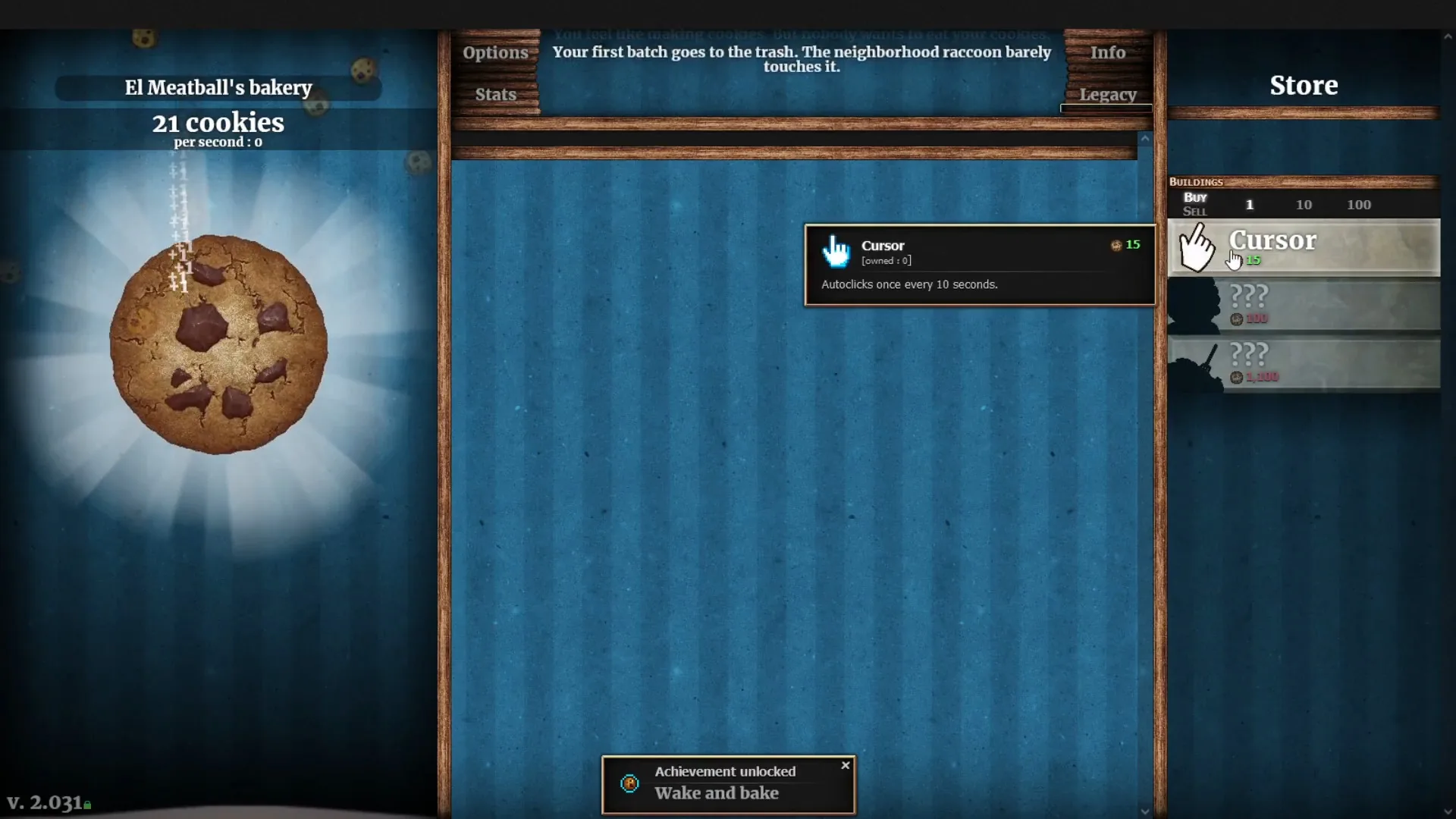
Today: 2D platformer, top-down overworld, idle clicker, tower defense, horde survivor, visual novel, plus real-time 3D games when you pick 3D at creation. Online multiplayer is supported across genres. Full voice acting and native console builds are out of scope.
Typically a few minutes. Art and music run in parallel with code, so by the time you have a working game loop, the first sprites and a soundtrack draft are already wired in.
Yes — iteration is the workflow. After the first build, every change is a prompt. “Make the jumps higher.” “Try a chiptune track.” “Replace the boss with a giant turnip.” The team revises and re-ships to the same URL.
Not by default. Paid plans start at $20/month, with chip packs from $5. Creators can also apply to the Creator Program: the founders review each application, and accepted creators receive Creator Program credits.
Yes — on paid plans, the user holds the license for generated assets and code. See the Chatpedia license page for full terms.
One sentence is enough. The team takes it from there. You play the result in a browser tab.
Start building