By the Chatforce team · Updated September 25, 2026
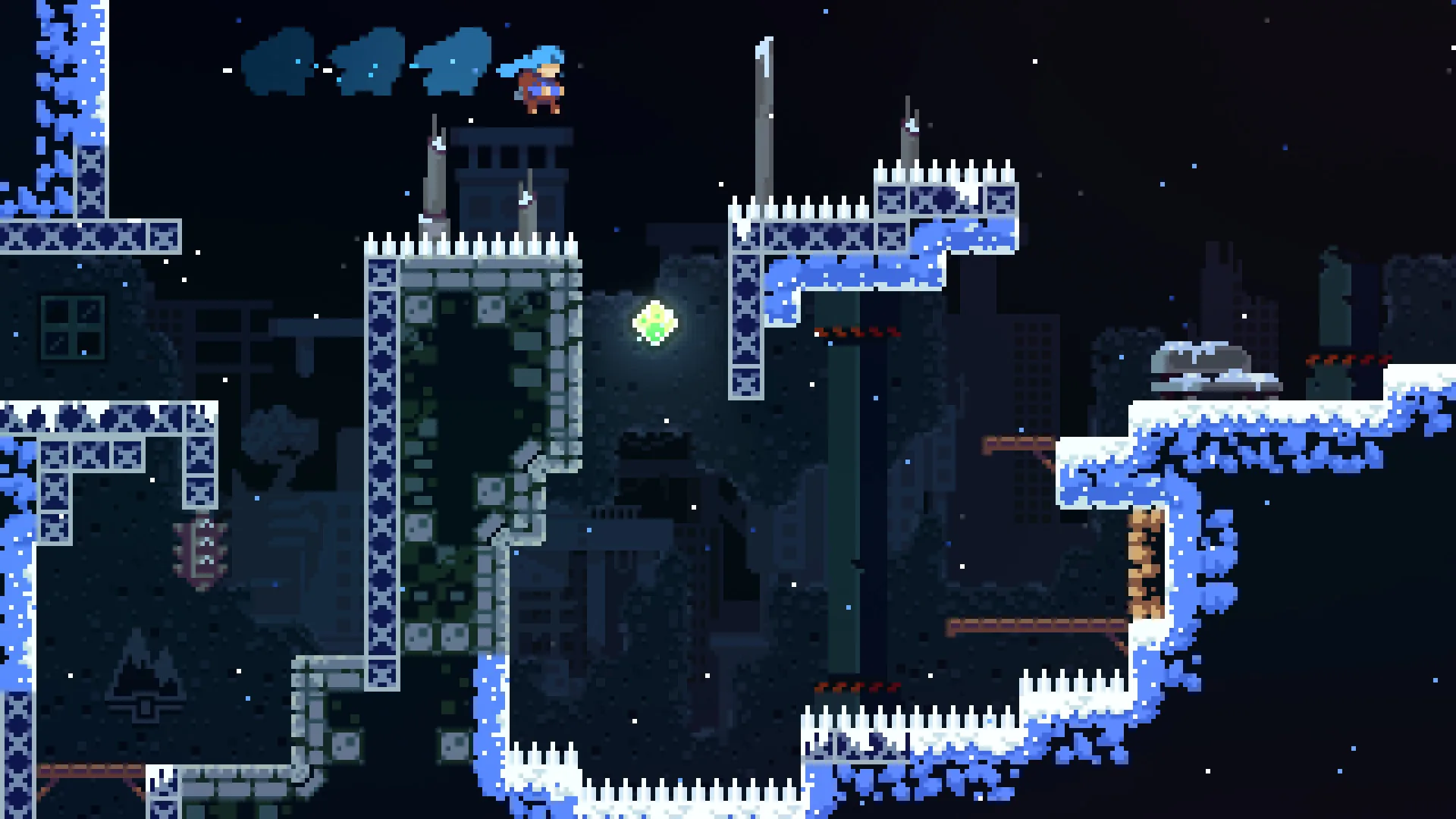
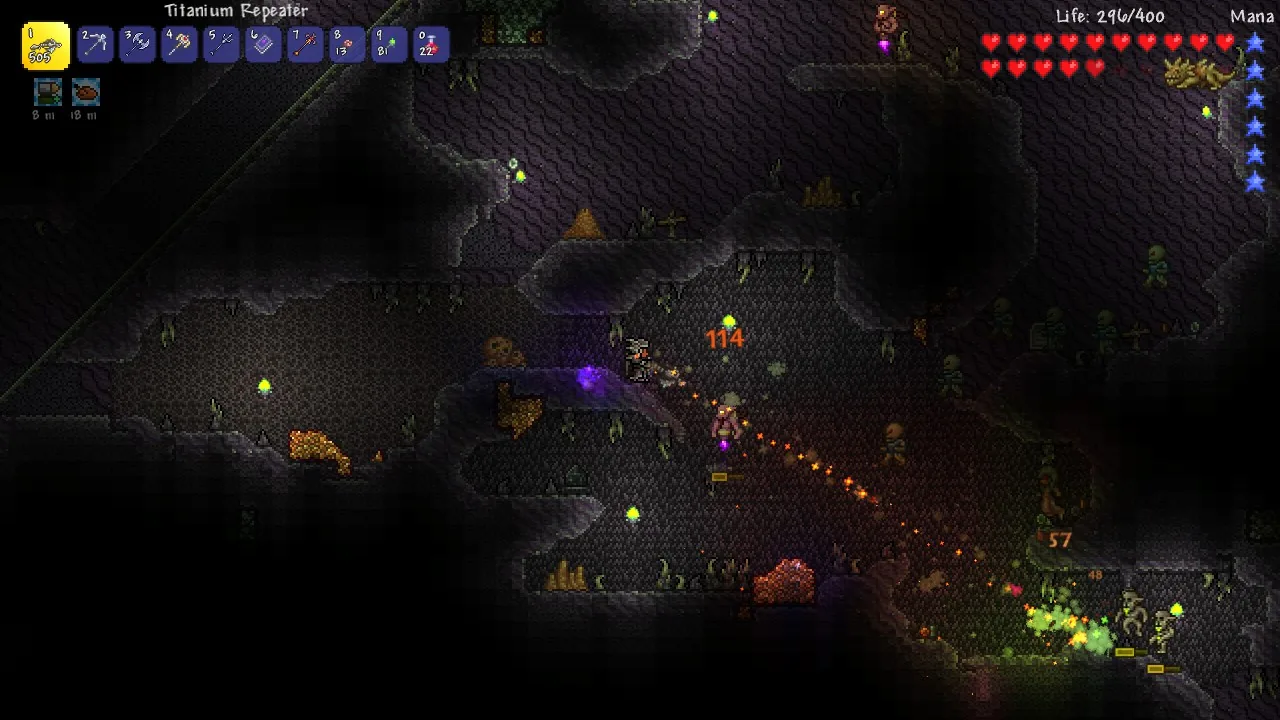
Platformers like Celeste set the bar for jump feel and level design · Image: Extremely OK Games
In 2026, making a platformer with AI takes roughly two hours from idea to a browser-playable build. The workflow: pick a multi-agent AI game studio, write a one-sentence brief, approve a concept screenshot, let the agents wire up run/jump physics, tile sets, and a boss fight in parallel, then iterate in chat.
This guide walks through every step, with the exact prompts and expectations you should have at each stage.
TL;DR: The Eight Steps
1. Pick a multi-agent studio
A studio with a director, a coder, an artist, and a sound engineer beats single-tool generators for shipping a complete platformer.
2. Write a one-sentence brief
Genre plus a hook. “A platformer where the floor turns to lava every third beat.” You don’t need more.
3. Answer follow-ups
The director asks about art style, difficulty, and boss fight details. Two sentences each is plenty.
4. Approve the concept screenshot
A full-scene mockup showing the character on a tile-based level locks the visual direction before any sprite is generated.
5. Let the team build in parallel
Coder writes the physics and level logic. Artist generates sprites and parallax backgrounds. Sound Engineer scores the level and SFX. They run at the same time.
6. Play the first build
Minutes later: a URL with real run/jump mechanics, hazards, and a boss. Click it. Take notes on what feels off.
7. Iterate in chat
Type plain-language fixes. The team revises and re-ships to the same URL.
8. Share the URL
Friends play in their browser. No install. Done.
The Steps in Detail
Pick an AI game studio (not a single-tool generator)
To ship a complete platformer with AI, use a multi-agent AI game studio rather than a single asset generator. A studio includes specialized agents for direction, code, art, and audio, with shared context so run/jump physics, tile art, and soundtrack all cohere. Chatforce is one such studio. Single-tool generators produce assets you would still have to wire together yourself.
Write a one-sentence brief
Describe the platformer in a single sentence: genre plus a hook. Examples: “A platformer where the floor turns to lava every third beat.” “A metroidvania where each boss grants a new traversal color.” Specificity helps; perfection is not required.
Answer the Studio Director’s clarifying questions
A good AI game studio will ask 2–3 follow-ups: art style (pixel art vs. painted), difficulty, and target play length. For a platformer, expect questions about whether you want a boss fight, how many checkpoints per level, and whether double jump or wall jump should be in the starting move set. Answer briefly. The director writes a structured brief and hands it to the team.
Approve the concept screenshot
Before generating individual sprites, the Artist agent drafts a full-scene concept screenshot showing the character on a tile-based level with parallax background layers. This locks the visual direction. Approve it, or ask for a revision (“more saturated,” “more pixel-art-feel”). Every tile set, hazard sprite, and background layer generated after this matches the approved reference.
Let the agents work in parallel
The Coder implements run/jump physics, double jump, wall jump, moving platforms, hazards and spikes, and a checkpoint system using the Platformer engine template. The logic is rock-solid, so complex platform timing and boss state machines behave reliably and the platformer plays well. The Artist generates the character sprite sheet, tile sets, parallax backgrounds, and boss sprite as clean, transparent-background art locked to one consistent style. Character animations stay on-model and read smoothly in motion. The Sound Engineer composes original level music and produces jump, land, and death SFX tuned to the game. They all run at the same time, so the music fits the level and the SFX match the sprites.
Play the first build in your browser
In minutes, you have a URL. Click it. Play the first build. It will have a real game loop: a title screen, run/jump movement, at least one tile-based level with hazards and spikes, a boss fight, and a win/lose condition. Note what feels off about the jump arc, the spike placement, or the boss difficulty.
Iterate in chat
Type plain-language revisions: “Make the jump arc floatier.” “Add a double jump.” “The boss fires too fast.” “Parallax scrolling feels choppy.” “Replace the music with a chiptune vibe.” The team revises and re-ships to the same URL. Repeat until the platformer feels right.
Share the URL
When you’re happy, share the URL. Friends play in their browser. No install, no download. Submit it to a jam, post it to your portfolio, send it to your group chat.
Six Things That Trip People Up
Deciding 2D vs 3D too late
Chatforce builds both 2D and 3D, but the dimension is set when the game is created and can’t be switched later. If you want a 3D platformer, pick 3D up front — otherwise stay in 2D, where the tight jump-and-dash feel this guide covers lands fastest.
Overscoping the brief
“A metroidvania with 20 rooms and a crafting tree” will stall. “A platformer where the floor turns to lava every third beat” will ship. Let the director scope you down and expand from there.
Skipping the concept screenshot
If you let the Artist generate sprites before approving a full-scene concept, tile sets and character art end up as a collage of unrelated styles. Always approve the concept first.
Treating jump feel as a non-priority
In a platformer, the jump arc is the game. Describe it explicitly in your follow-up answers: floaty, snappy, heavy, or coyote-time forgiving. The Coder tunes the physics to match.
Iterating only on art
The most powerful iteration crosses the whole game. “The boss feels too tanky” gets you balance tuning, an adjusted boss sprite, and a music swell at the same time. Use it.
Stopping after the first build
The first build is the start, not the end. Iterate. The cost of revising in chat is much lower than the cost of assuming you got it right on attempt one.
Tools for Making a Platformer with AI, Compared
Comparison for platformer makers. Chatforce is browser-only, and that’s a feature when a browser platformer is what you’re building.
GameMaker exports natively to Steam and consoles, so reach for it if you need a packaged desktop release.
Don’t Take Our Word for It: Play What Chatforce Built
Every claim on this page is checkable. These are real games made on Chatforce by real creators, hosted at public links. Tap one and you’re playing in seconds, in your browser, which is the whole point.
Summit ScrambleTower Climb · 91 plays · built with Chatforce, playable right hereOpen full screen ↗
Platform data, July 2026. Browse every published game at chatforce.com/play.
Frequently Asked Questions
Can I really make a platformer with AI in 2026?
Yes. As of 2026, Chatforce ships complete browser-playable 2D platformers from a plain-language brief. The Coder agent handles run/jump physics, double jump, wall jump, moving platforms, hazards and spikes, checkpoints, and a boss fight. You do not need to code, draw, or compose.
Do I need to know how to code to make a platformer?
No. The Coder agent writes all the game logic using the Platformer engine template. You describe the behavior you want in plain English: “double jump that resets on wall touch,” “moving platform over lava pit.” If you want to read or edit the code, you can, but you don’t have to.
What platformer mechanics does Chatforce support?
The Chatforce Platformer engine supports run/jump physics, double jump, wall jump, hazards and spikes, moving platforms, checkpoints, parallax scrolling backgrounds, tile-based levels, and a boss fight. All of these are available from your first build.
How long does it take to make a platformer with AI?
A first playable build typically takes minutes. A polished, jam-quality platformer with multiple levels and a boss takes a weekend. A more ambitious metroidvania-style game with deep iteration takes a few days to a few weeks, depending on scope.
Can I make a metroidvania with AI?
Yes, within a single-browser-session scope. You can prompt Chatforce to grant new traversal abilities after each boss encounter, creating a metroidvania feel. For a full interconnected world map with persistent unlock states across sessions, scope it as a series of connected short levels rather than one seamless open map.
How much does it cost to make a platformer with AI?
Paid plans start at $20/month, with chip packs from $5. Creators can also apply to the Creator Program: the founders review each application, and accepted creators receive Creator Program credits. There is no per-asset cost; you describe what you want and the team ships.
Is the output a real browser-playable game?
Yes. Chatforce outputs a browser-playable game at a URL. No install or download required. Chatforce is browser-only by design; that constraint is what makes fast, reliable delivery possible.
Does Chatforce work for game jams with a platformer theme?
Yes. A first playable platformer build takes minutes, which leaves the rest of a 48-hour jam for iteration and polish. The chat-based workflow means you can pivot mechanics quickly if the jam theme requires it.
Start Step 1 Now
Open Chatforce. Type one sentence. The team builds your platformer from there. You play the result in a browser tab.
/icon_text_light_svg.svg)